
Can AI Help Landlords Manage Rental Properties More Efficiently?
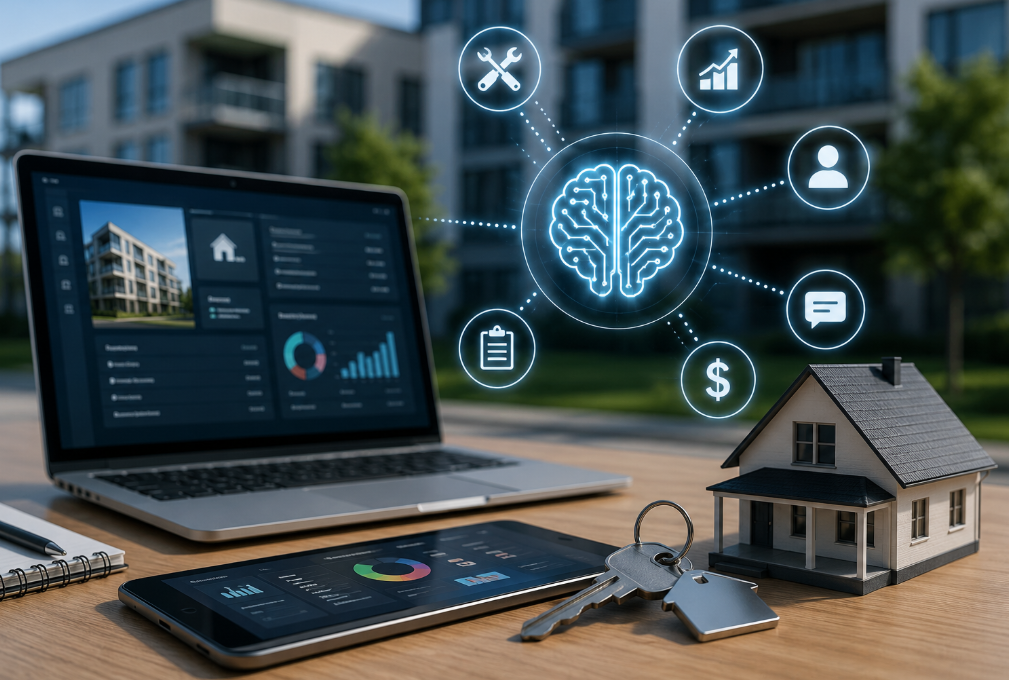
Technology has transformed nearly every industry, and property management is no exception. From online rent payments and digital lease agreements to automated maintenance requests, landlords today have access to tools that simply didn’t exist a decade ago.
More recently, artificial intelligence (AI) has become one of the most talked-about developments in real estate and property management. While AI won’t replace experienced property managers anytime soon, it is helping landlords streamline operations, improve efficiency, and make more informed decisions.
For rental property owners in Missouri, understanding how AI fits into property management can help you stay competitive while protecting your investment.
What Does AI Mean in Property Management?
Artificial intelligence refers to computer systems that can analyze information, identify patterns, and automate tasks that traditionally required human effort.
In property management, AI is often used behind the scenes to assist with:
- Tenant communication
- Rental pricing analysis
- Maintenance request tracking
- Vacancy marketing
- Financial reporting
- Lead follow-up
- Property performance analysis
Many landlords already use AI-powered tools without even realizing it. Modern property management software often includes features that automate repetitive tasks and provide valuable insights based on large amounts of data.
The Biggest Challenge for Landlords Isn’t Finding Tenants
Many property owners assume the hardest part of managing rentals is finding tenants. In reality, maintaining consistent operations is often the bigger challenge.
Self-managing landlords frequently struggle with:
- Responding to maintenance requests quickly
- Keeping up with tenant communication
- Tracking lease renewals
- Collecting rent on time
- Monitoring property performance
- Managing multiple vendors and contractors
As rental portfolios grow, these responsibilities become increasingly difficult to handle manually.
This is where technology and automation can provide significant benefits.
How AI Can Help Reduce Administrative Work
One of the most valuable uses of AI is reducing repetitive administrative tasks.
Instead of spending hours every week handling routine communication, many systems can automate:
Rent Payment Reminders
Automated reminders help reduce late payments while ensuring tenants receive consistent communication.
Maintenance Updates
Tenants can receive automatic status updates regarding repair requests, reducing phone calls and follow-up emails.
Lease Renewal Notifications
AI-powered systems can notify both landlords and tenants when lease expiration dates approach.
Owner Reporting
Property owners can access financial reports, maintenance records, and performance data without waiting for manual updates.
While these tasks may seem small individually, together they consume a significant amount of time for self-managing landlords.
Can AI Help Reduce Vacancy Rates?
Vacancies are one of the biggest threats to rental property profitability.
Every week a property sits empty represents lost income.
AI-powered tools can help by:
- Analyzing local rental market trends
- Recommending competitive rental pricing
- Identifying seasonal demand patterns
- Improving listing visibility
- Responding faster to prospective tenant inquiries
While technology cannot guarantee immediate occupancy, it can help landlords make better leasing decisions based on current market conditions.
For example, many modern systems can compare similar rental properties and recommend pricing adjustments that help reduce vacancy periods while maximizing rental income.
AI and Tenant Screening
Tenant screening remains one of the most important steps in protecting a rental property.
Poor tenant placement can lead to:
- Late payments
- Property damage
- Lease violations
- Costly evictions
AI-assisted screening tools can help organize and analyze applicant information, including:
- Credit history
- Income verification
- Employment records
- Rental history
- Background information
However, it’s important to understand that technology should support—not replace—proper screening procedures.
Successful property management still requires human judgment, experience, and compliance with Fair Housing regulations.
Predictive Maintenance: A Growing Advantage
One of the most promising applications of AI in property management is predictive maintenance.
Rather than waiting for systems to fail, technology can help identify warning signs before major repairs become necessary.
Examples include:
- Monitoring HVAC performance
- Tracking recurring maintenance issues
- Identifying repair trends across properties
- Scheduling preventative maintenance
This proactive approach can help reduce costly emergency repairs while improving tenant satisfaction.
For property owners, preventative maintenance often translates directly into lower long-term operating costs.
Where AI Falls Short
Despite its advantages, AI has limitations. Technology cannot replace the experience and local knowledge that successful property management requires.
AI cannot:
- Inspect properties in person
- Build relationships with tenants
- Handle difficult tenant disputes
- Evaluate property condition firsthand
- Manage emergency situations
- Coordinate contractors on-site
- Navigate complex legal situations
Property management remains a people-driven business.
Technology works best when it supports experienced professionals rather than attempting to replace them.
Why Professional Property Management Still Matters
Many landlords assume technology alone can solve management challenges. The reality is that the most successful rental properties combine modern technology with experienced management.
Professional property managers provide:
- Local market expertise
- Tenant placement experience
- Vendor relationships
- Legal compliance knowledge
- Maintenance coordination
- Financial oversight
- Strategic rental guidance
Technology improves efficiency, but people make the decisions that protect your investment.
How Homestretch Property Management Uses Technology to Benefit Property Owners
At Homestretch Property Management, we use modern technology to improve communication, efficiency, and property performance while maintaining the personal service property owners expect.
Our systems help streamline:
- Rent collection
- Maintenance coordination
- Financial reporting
- Property marketing
- Owner communication
- Tenant support
Combined with our local market knowledge and hands-on management approach, these tools help property owners spend less time worrying about daily operations and more time focusing on long-term investment goals.
Final Thoughts
Artificial intelligence is changing the way rental properties are managed, but it is not replacing experienced property managers.
Instead, AI is becoming another valuable tool that helps landlords improve efficiency, reduce administrative work, and make smarter decisions.
For Missouri property owners, the greatest benefits come from combining technology with professional management expertise. While AI can help automate routine tasks, successful property management still depends on strong tenant relationships, local market knowledge, responsive maintenance, and strategic decision-making.
As technology continues to evolve, landlords who embrace these tools while maintaining a strong management foundation will be better positioned to maximize rental income, reduce vacancies, and protect their investments for years to come.