
Renting to College Students in St. Louis: A Landlord Guide
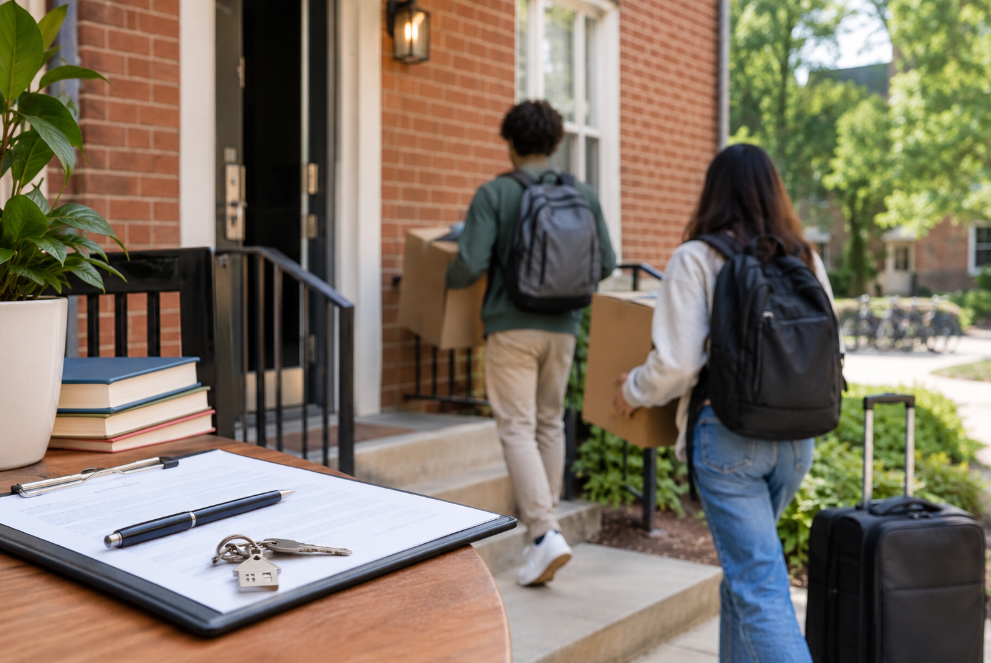
Renting a property to college students can be different from renting to a traditional long-term tenant. Multiple roommates, guarantors, academic-year move-out schedules, higher turnover and first-time renters can create additional responsibilities for St. Louis landlords.
That does not mean every student rental is difficult to manage. The key is having a consistent process for screening applicants, structuring leases, preparing the property, communicating expectations and planning for turnover before problems arise.
If you’re considering renting your St. Louis rental property to college students, this guide explains what to consider before accepting your first student application—and where professional property management can make the process easier.
Is Renting to College Students Right for Your St. Louis Rental?
Not every rental property is equally suited to student tenants.
Before marketing a property to college students, consider the property’s location, layout, parking, number of bedrooms, condition and overall operating requirements.
A property with several bedrooms and convenient access to colleges, universities, employment centers or public transportation may naturally appeal to groups of students. However, location alone should not determine whether student leasing makes sense.
Ask yourself:
- Is the property’s layout practical for multiple occupants?
- Is there adequate parking for the expected number of residents?
- Can the property withstand normal day-to-day wear from multiple tenants?
- Are utilities and maintenance responsibilities clearly defined?
- Can you handle potentially more frequent turnover?
- Are you prepared to manage multiple tenants and communications?
The answers can help determine whether student leasing fits your property and your investment goals.
Understand the Financial Side Before Leasing to Students
One of the biggest differences between student rentals and traditional rentals is that the student’s own income may not tell the entire financial story.
Some college students have limited employment history or credit history. Parents, guardians or other qualified guarantors may therefore be involved in meeting the property’s screening requirements.
The important point for landlords is consistency.
Your screening standards should be established before applications arrive and applied consistently to every qualified applicant. Depending on the property’s requirements, the process may include reviewing:
- Rental history
- Income or financial qualifications
- Credit history
- Background information
- Employment information
- Guarantor qualifications when applicable
Avoid creating different standards for individual applicants based on assumptions about their age, school, family situation or other personal characteristics.
A clear screening process protects both the owner and prospective residents.
Choose the Right Lease Structure for Multiple Roommates
A student rental may involve two, three or even more occupants sharing one property. That creates an important question for landlords: how should the lease be structured?
Depending on the property and leasing strategy, owners may consider a lease where the residents share responsibility for the entire rental obligation or separate arrangements for individual occupants.
The right approach depends on the property, local requirements and the owner’s management strategy.
Whatever structure you use, the lease should clearly address:
- Who is authorized to live at the property
- How rent is paid
- Security deposit requirements
- Utility responsibilities
- Maintenance responsibilities
- Rules regarding additional occupants
- Pets and animals
- Property damage
- Early move-out procedures
- Renewal and move-out requirements
When several people share a home, ambiguity can become a management problem. Clear documentation at the beginning can prevent unnecessary disagreements later.
Screen Student Tenants and Guarantors Carefully
A student’s limited rental or credit history does not automatically make them an unsuitable tenant. It simply means the landlord may need to evaluate the complete application rather than relying on one factor.
If a guarantor is part of your qualification process, that person should understand exactly what they are agreeing to before signing.
Landlords should also keep documentation consistent and maintain the same screening standards across applicants.
For properties with multiple student applicants, a professional screening process can be particularly valuable because it reduces the temptation to make decisions informally when several applications arrive at once.
Prepare the Property for Student Tenants
A rental property should be ready for any qualified tenant, but student housing can benefit from practical, durable features that make routine management easier.
Before leasing, review the property’s:
Flooring and Interior Finishes
Durable flooring and washable finishes can make routine turnover easier. Look for materials that are practical to clean and maintain rather than choosing finishes solely for appearance.
Locks and Entry
Reliable locks and clearly managed keys or access systems can simplify move-in, maintenance visits and turnover.
Appliances
Make sure major appliances are clean, functioning properly and ready for use before residents move in.
HVAC and Plumbing
Preventive maintenance can identify problems before a new lease begins. Check HVAC operation, plumbing fixtures, drains and other systems that could create an immediate maintenance request after move-in.
Safety Equipment
Verify that required safety equipment is present and functioning before occupancy, and follow applicable local requirements.
A good pre-leasing inspection is an opportunity to address problems while the property is vacant rather than after students have moved in.
Set Clear Expectations Before Move-In
First-time renters may not always know what a landlord expects from them.
A detailed move-in process can help. Provide clear information about:
- How to submit maintenance requests
- Trash and recycling procedures
- Parking
- Utility responsibilities
- Noise and property rules
- Guest policies
- Pet requirements
- Preventing avoidable plumbing problems
- HVAC filter responsibilities when applicable
- Emergency maintenance procedures
- Move-out expectations
The goal isn’t to overwhelm residents with rules. It is to eliminate uncertainty.
When residents know how the property should be maintained and how to report problems, small issues are less likely to become larger ones.
Plan for the Student Rental Turnover Cycle
Student rentals can have a different leasing rhythm from conventional year-round rentals.
Owners should start thinking about turnover well before the actual move-out date.
A practical student rental timeline may include:
Before move-out:
Send residents clear instructions about cleaning, keys, personal belongings, utilities and property condition.
At move-out:
Complete the property inspection and document the property’s condition.
During turnover:
Address repairs, cleaning, maintenance and make-ready work as efficiently as possible.
Before the next lease:
Confirm the property is ready, complete any required work and prepare for the next resident’s arrival.
The shorter the window between tenants, the more important organized turnover becomes.
For landlords who live out of town or manage several properties, coordinating inspections, contractors, cleaning and repairs can quickly become a significant responsibility.
Stay Ahead of Maintenance Issues
Maintenance is one area where proactive management can make a noticeable difference.
Student renters may be living independently for the first time. They may not know how to recognize a developing plumbing issue, change an HVAC filter or identify a problem before it becomes urgent.
That makes communication important.
A good property management process should make it simple for residents to report maintenance concerns and for the management team to determine the appropriate response.
For owners, the objective is straightforward: address legitimate maintenance issues promptly while preventing avoidable problems from becoming expensive repairs.
At Homestretch, our property management approach includes maintenance coordination and make-ready services, giving owners one less part of the rental operation to manage themselves.
Consider the Local Requirements for Your Property
St. Louis-area rental properties can be located in different municipalities, and local requirements may vary.
Before leasing a property to multiple students, owners should confirm the requirements that apply to the property’s specific location, including applicable occupancy, rental licensing, inspection, safety and zoning requirements.
This is especially important when a property will house several unrelated occupants.
Do not assume that a rule applying in one St. Louis-area municipality automatically applies everywhere else.
When in doubt, verify the current requirements with the appropriate local authority or qualified legal professional.
What Makes Student Rental Management More Time-Consuming?
The challenge isn’t necessarily the students themselves. It is the number of moving parts that can come with a student rental.
An owner may need to coordinate:
- Multiple applications
- Guarantors
- Lease documentation
- Move-in scheduling
- Resident questions
- Maintenance requests
- Inspections
- Roommate-related concerns
- Move-out coordination
- Cleaning
- Repairs
- Property turnover
- Releasing the property for the next rental cycle
For an owner managing one property nearby, that may be manageable.
For an investor managing multiple rentals, working full-time or living outside the St. Louis area, the administrative workload can become much harder to keep up with.
When Should You Hire a St. Louis Property Management Company?
Professional property management can be particularly useful when the owner wants to reduce the amount of day-to-day involvement required to operate a rental.
That can include help with:
- Marketing the property
- Tenant screening
- Lease administration
- Rent collection
- Maintenance coordination
- Property inspections
- Resident communication
- Move-out procedures
- Make-ready work
- Releasing the property
The value isn’t simply having someone answer a phone call.
For a student rental, effective management means having a repeatable process for the entire rental lifecycle—from preparing the property and screening applicants to handling maintenance and getting the home ready for the next resident.
A Practical Checklist for St. Louis Student Rentals
Before leasing your property to college students, review these areas:
Property
- Property is clean and in good condition
- Major systems and appliances have been checked
- Safety equipment is functioning
- Locks and access are ready
- Repairs have been completed
Leasing
- Screening criteria are established
- All applicants are evaluated consistently
- Guarantor requirements are clear when applicable
- Lease responsibilities are documented
- Occupancy requirements have been verified
Resident expectations
- Maintenance reporting process is explained
- Utility responsibilities are clear
- Parking and property rules are documented
- Move-out requirements are provided
Turnover
- Move-out dates are tracked
- Inspection is scheduled
- Repairs and cleaning are coordinated
- Property is marketed for the next rental cycle
Let Homestretch Handle More of the Rental Work
Renting to college students can be a viable strategy for the right St. Louis rental property, but it requires more than simply finding several applicants and signing a lease.
Screening, documentation, resident communication, maintenance and turnover all need to work together.
If you own a St. Louis-area rental and don’t want to manage those responsibilities yourself, Homestretch can help.
Our property management team handles the day-to-day work involved in operating rental properties, including leasing, resident management, maintenance coordination and make-ready services.
Want to know whether professional management makes sense for your rental? Request a Free Rental Analysis from Homestretch.