
How Can Landlords Handle Rental Property Maintenance Requests Efficiently?
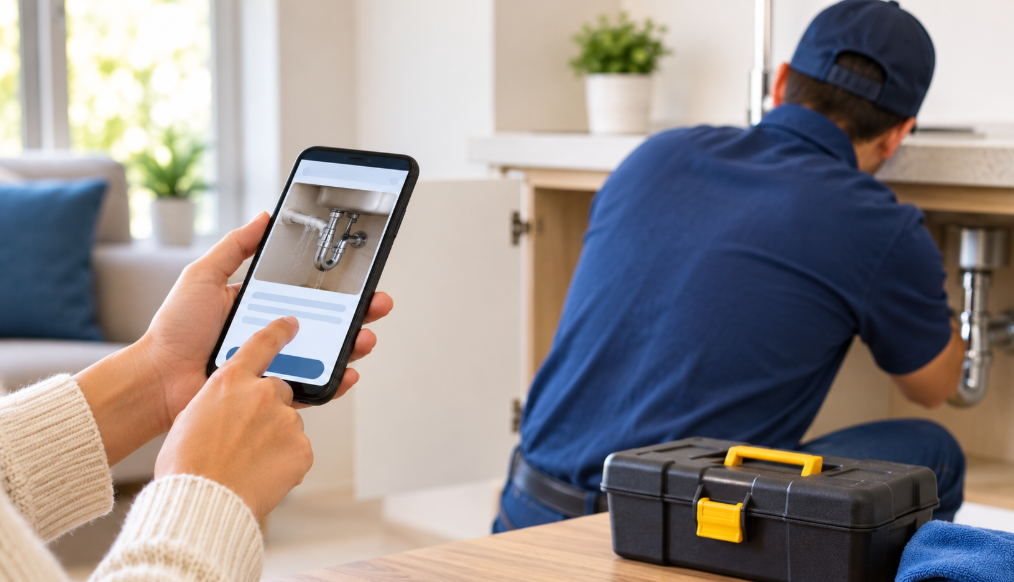
Managing a rental property involves more than collecting rent and finding tenants. Landlords also need a reliable way to handle repairs, respond to tenant concerns, and keep the property in good condition. Having a clear process for rental property maintenance requests can make these responsibilities easier to manage and help prevent small problems from becoming more expensive repairs.
For rental property owners in St. Charles, Missouri, maintenance coordination is an important part of protecting a property’s condition and providing a dependable rental experience. Whether a tenant reports a plumbing issue, an appliance problem, or a heating concern, knowing how to receive, prioritize, and follow up on requests helps keep the process organized.
Here are practical ways landlords can manage maintenance requests efficiently.
Why Do Rental Property Maintenance Requests Need a Clear Process?
Without an organized maintenance process, requests can be overlooked, delayed, or handled without proper documentation. This can create frustration for tenants and make it harder for landlords to track repair expenses and property conditions.
A consistent process helps landlords:
- Respond to tenant concerns in a timely manner.
- Identify urgent repairs before conditions worsen.
- Keep records of reported problems and completed work.
- Coordinate contractors and maintenance professionals.
- Monitor recurring issues and repair expenses.
- Maintain the property’s condition over time.
A maintenance process does not need to be complicated. It should make clear how tenants report problems, who reviews requests, how repairs are assigned, and how completion is confirmed.
1. Establish a Reliable Way to Receive Maintenance Requests
The first step is giving tenants a clear way to report maintenance concerns. If requests arrive through different channels without a central record, important details can be missed.
Landlords should establish a consistent reporting method, such as an online tenant portal, a designated email address, or a property management system.
When submitting a request, tenants should be encouraged to provide:
- A description of the problem.
- The location of the issue within the property.
- When the problem first appeared.
- Whether the issue is getting worse.
- Photos or videos when they can safely provide them.
- Any immediate concerns affecting the property’s use or safety.
For example, a report of water beneath a kitchen sink is more useful when it includes information about whether the leak is ongoing, how much water is present, and whether nearby cabinets or flooring are affected.
Clear information helps landlords determine the next steps and communicate effectively with the person handling the repair.
2. Prioritize Emergency and Routine Repairs
Not every maintenance request requires the same response. Landlords need a process for distinguishing urgent problems from routine maintenance.
A useful starting point is to categorize requests based on safety, property damage, and the impact on essential services.
Emergency maintenance
Problems that may pose an immediate risk to people or cause significant property damage need urgent attention. Examples may include:
- Major water leaks or burst pipes.
- Suspected gas leaks.
- Electrical hazards, such as sparking outlets.
- Loss of heat during dangerously cold conditions.
- Serious structural or fire-related concerns.
Tenants should be given clear instructions for reporting emergencies. When there is an immediate threat to life or safety, they should contact emergency services rather than waiting for a routine maintenance response.
Urgent maintenance
Some issues may not present an immediate emergency but still require prompt attention. Examples include a malfunctioning essential appliance, a plumbing problem that is worsening, or a heating or cooling issue that significantly affects the property’s habitability.
Routine maintenance
Other requests may involve minor issues that can be scheduled without immediate intervention, such as a loose cabinet handle, a minor cosmetic concern, or a nonessential fixture that needs adjustment.
Landlords should evaluate each situation individually. The apparent size of a problem does not always indicate its urgency.
3. Coordinate Qualified Maintenance Professionals
Once a repair has been assessed, the next step is arranging the appropriate person to complete the work.
Some basic maintenance tasks may be straightforward, but plumbing, electrical, heating, cooling, and other specialized repairs often require qualified professionals.
When selecting a contractor or service provider, landlords should consider:
- Relevant experience with the type of repair.
- Appropriate licensing and insurance where required.
- Availability and expected scheduling.
- Written estimates for larger jobs.
- Clear communication about the work being performed.
- Documentation of completed repairs.
It is also important to understand the difference between a temporary fix and a permanent repair. Addressing the visible symptom without identifying the underlying problem can lead to repeated service requests and additional costs.
For example, repeatedly addressing a water stain without investigating its source may allow an underlying leak to continue damaging the property.
4. Keep Tenants Informed Throughout the Repair Process
Communication is an important part of handling rental property maintenance requests. Even when a repair cannot be completed immediately, tenants should understand what is happening and what to expect.
After receiving a request, landlords or property managers should acknowledge it, explain any necessary next steps, and provide updates when scheduling or repair timelines change.
Good maintenance communication includes:
- Confirming that the request was received.
- Explaining whether additional information is needed.
- Providing an estimated appointment window when available.
- Coordinating access to the property.
- Updating tenants if a part or additional service is required.
- Confirming when the work has been completed.
Landlords should also follow applicable lease requirements and Missouri law regarding property access and required notices before entering a rental unit.
Clear communication helps reduce misunderstandings and makes it easier for tenants to cooperate with contractors and maintenance professionals.
5. Document Every Maintenance Request and Repair
Keeping accurate maintenance records helps landlords understand what has happened at a property and what work remains outstanding.
Each rental property maintenance request should have a record that includes:
- Date the tenant reported the issue.
- Description of the reported problem.
- Photos or other supporting information, if available.
- Date the request was reviewed.
- Contractor or maintenance professional assigned.
- Work performed and materials used.
- Repair costs and invoices.
- Date the work was completed.
- Any follow-up recommendations.
These records can help owners identify recurring problems. For example, repeated plumbing requests in the same area may indicate an underlying issue that needs a more thorough inspection.
Documentation also helps landlords review maintenance spending, plan future improvements, and maintain a history of the property’s condition.
6. Look for Recurring Problems Before They Become Larger Repairs
Responding to individual maintenance requests is important, but landlords should also look for patterns that may point to a larger issue.
Repeated reports involving the same appliance, plumbing fixture, heating system, or area of the property deserve additional attention.
Preventative maintenance can help identify potential problems before they lead to unexpected breakdowns.
Depending on the property and its systems, a maintenance plan may include:
- Checking plumbing fixtures for leaks.
- Monitoring heating and cooling system performance.
- Inspecting visible signs of moisture or water damage.
- Checking smoke and carbon monoxide alarms.
- Reviewing exterior drainage and gutters.
- Addressing worn or damaged components.
- Scheduling appropriate seasonal maintenance.
The exact maintenance schedule should reflect the property’s age, condition, equipment, and applicable requirements.
For landlords with multiple properties, keeping a maintenance calendar can make it easier to track inspections and scheduled service.
7. Understand the Landlord’s Maintenance Responsibilities in Missouri
Rental property maintenance is not only about keeping tenants satisfied. Landlords must also understand their responsibilities under applicable lease agreements and laws.
Missouri landlord-tenant requirements, local codes, and lease provisions may affect how repairs, property access, and habitability concerns must be handled.
Landlords should not assume that every maintenance request can be treated as routine. Problems affecting essential services, safety, or the property’s condition may require a different response.
Owners should:
- Review their lease agreements and maintenance provisions.
- Understand applicable state and local requirements.
- Respond appropriately to reported safety concerns.
- Keep records of repair requests and completed work.
- Follow applicable requirements for property entry.
- Consult a qualified legal professional when uncertain about their obligations.
Having a consistent maintenance process helps landlords organize their responsibilities, but it does not replace the need to comply with applicable laws.
How Professional Property Management Helps Handle Maintenance Requests
Coordinating repairs can take considerable time, especially for landlords managing multiple properties or balancing rental ownership with other responsibilities.
Professional property management can help organize the maintenance process, from receiving tenant requests to coordinating service providers and tracking completed work.
At Homestretch Property Management, maintenance coordination is part of the property management services provided to rental property owners.
The team supports owners through services that include:
- Coordinating reported maintenance issues.
- Arranging appropriate maintenance and repair services.
- Managing communication with tenants.
- Supporting property make-readies between tenancies.
- Helping owners keep track of property-related responsibilities.
- Providing 24-hour emergency response for urgent property concerns.
Homestretch also has in-house maintenance capabilities, helping support property maintenance and make-ready work.
For St. Charles landlords, having a property management team involved can reduce the time spent coordinating individual requests while providing a more organized approach to rental property responsibilities.
Frequently Asked Questions About Rental Property Maintenance Requests
Make Rental Property Maintenance Easier to Manage in St. Charles
Handling maintenance requests efficiently requires organization, timely communication, appropriate repair coordination, and consistent documentation. A clear process helps landlords stay informed about their properties and address problems before they become more difficult to manage.
For St. Charles rental property owners, professional property management can provide support with maintenance coordination, tenant communication, and the ongoing responsibilities of rental ownership.
Homestretch Property Management helps owners manage these responsibilities with property management services and maintenance support.
Own a rental property in St. Charles, MO? Learn more about Homestretch’s St. Charles property management services or contact our team to discuss your property management needs.