
What Happens After You Buy a Rental Property? A St. Louis Landlord’s First 90 Days
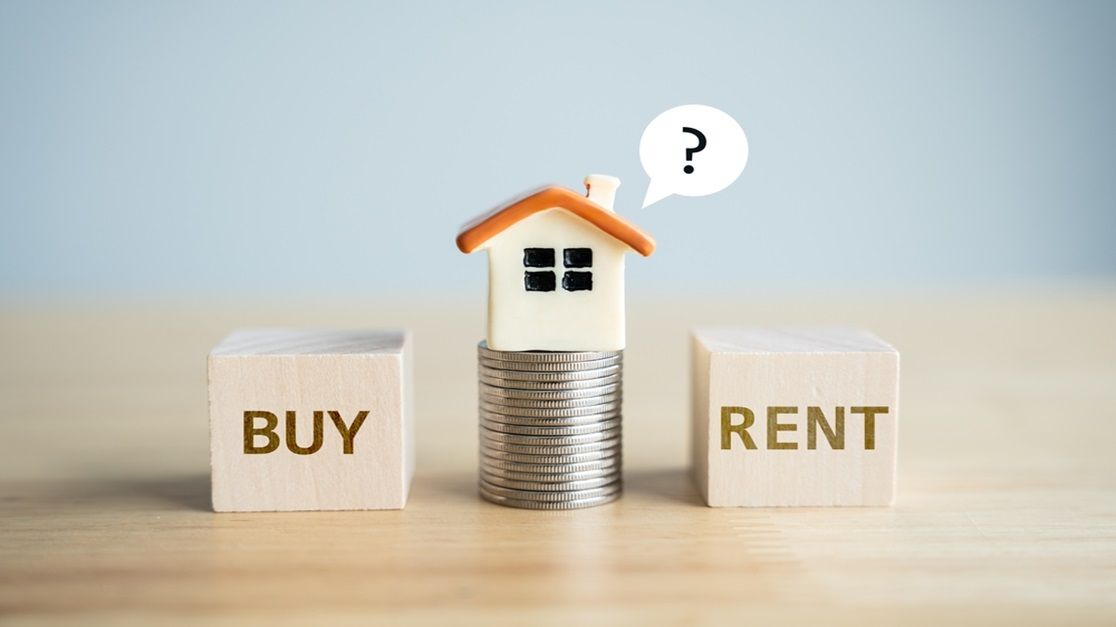
Buying a rental property is only the beginning of becoming a landlord.
Once the closing is complete, the property needs to be inspected, prepared, priced, marketed, and managed. If the property already has a tenant, there are additional responsibilities involved in taking over the rental and maintaining a smooth transition.
For St. Louis landlords, the first 90 days can set the tone for how efficiently the property operates going forward.
A good start means understanding the property’s condition, establishing reliable systems, addressing immediate maintenance needs, and making sure the rental is positioned correctly for the local market.
Here is what new rental property owners should consider during the first three months.
What Should You Do Immediately After Buying a Rental Property?
The first few days should focus on understanding exactly what you purchased.
The property’s purchase price tells you what you paid, but it does not tell you everything you need to know about managing the rental.
Start by gathering important information about the property, including:
- Inspection reports from the purchase
- Existing leases, if applicable
- Maintenance and repair records
- Utility information
- Appliance information
- Warranties and service records
- Keys, access codes, and remotes
- Previous tenant information when applicable
- Property tax and insurance information
- Any documentation provided by the previous owner
You should also document the current condition of the property with photographs.
This gives you a baseline for future maintenance and helps you understand what needs attention before the property becomes your responsibility for the long term.
Days 1–30: Inspect the Property and Identify Immediate Needs
The first month is largely about getting the property under control.
Even if you completed a professional inspection before purchasing, a new owner should take time to understand the property’s condition from a landlord’s perspective.
A buyer’s inspection is designed to help with the purchase decision. Property management involves a different set of ongoing questions:
Is the property ready for a tenant? What needs to be repaired? What will require maintenance in the near future? Is anything likely to create problems for the next tenant?
Look Beyond Cosmetic Issues
Paint, flooring, fixtures, and curb appeal matter, but they are not the only things to evaluate.
Pay attention to:
- Plumbing fixtures and visible leaks
- HVAC operation
- Electrical components
- Doors and windows
- Appliances
- Smoke and carbon monoxide detectors
- Exterior condition
- Drainage and gutters
- Locks and entry points
- Flooring and walls
- Signs of moisture
- Safety concerns
Not every issue needs to be fixed immediately. The goal is to separate urgent repairs from routine improvements and longer-term capital expenses.
What Is a Make-Ready for a Rental Property?
If the property is vacant, one of the most important early steps is getting it rent-ready.
Make-ready work may include cleaning, painting, minor repairs, landscaping, appliance servicing, fixture replacement, or other work needed before marketing the property.
The goal is not necessarily to make every rental look brand new.
Instead, the property should be clean, functional, presentable, and appropriate for the tenants you are trying to attract.
This is also where the condition of the property can affect your timeline.
A rental that needs extensive work may take considerably longer to market than one that only needs routine preparation.
How Should You Set the Rent?
Once you understand the property’s condition, the next question is how much rent to charge.
This is one of the areas where new landlords can make costly mistakes.
Setting rent too high can increase vacancy if prospective tenants do not see enough value compared with competing properties.
Setting it too low can leave income on the table.
Instead of choosing a number based solely on what you need to cover your mortgage, look at the local rental market and compare the property with similar rentals.
Consider:
- Location
- Property size
- Number of bedrooms and bathrooms
- Condition
- Included appliances
- Parking
- Yard or outdoor space
- Updates and finishes
- Pet policies
- Local competition
- Current tenant demand
Your mortgage payment is part of your investment calculation, but it does not determine what the market will pay.
Days 30–60: Market the Property and Find the Right Tenant
Once the property is ready and the rental price has been established, the next stage is leasing.
Marketing is more than putting a listing online.
Good rental marketing should accurately communicate what the property offers while attracting prospective tenants who are a reasonable fit for the property.
That means using clear property information, quality photos, accurate pricing, and a straightforward application process.
Tenant Screening Matters
A new landlord may be tempted to approve the first qualified-looking applicant simply to reduce vacancy.
That can be a mistake.
A consistent screening process can help landlords evaluate applicants using established criteria such as rental history, income, employment information, credit history, and other legally appropriate screening factors.
The important part is consistency.
Landlords should apply the same screening standards to applicants and understand the federal, state, and local laws that apply to housing decisions.
What If the Property Already Has a Tenant?
Not every rental property is vacant when ownership changes.
If you purchased an occupied rental, your first 90 days may look very different.
Instead of immediately marketing the property, you need to understand the existing tenancy.
Review the lease, payment history, security deposit information, maintenance history, and other relevant records.
You should also understand when the lease expires and what responsibilities have transferred to you as the new owner.
The tenant should know who is responsible for property-related questions and how to submit maintenance requests.
A smooth transition is important for both the owner and the tenant.
Days 60–90: Establish a Reliable Management System
By the third month, the focus should begin shifting from acquisition and setup to ongoing management.
This is where owning a rental property becomes an operating responsibility rather than simply an investment.
You need systems for:
- Rent collection
- Maintenance requests
- Emergency issues
- Tenant communication
- Property inspections
- Lease renewals
- Vendor coordination
- Accounting and records
- Move-ins and move-outs
- Security deposits
- Routine property upkeep
Without reliable systems, small issues can become time-consuming.
A tenant who cannot reach anyone about a maintenance problem may become frustrated. An owner who does not track expenses carefully may have difficulty understanding the property’s actual performance.
What Should St. Louis Landlords Watch During the First 90 Days?
Local conditions matter.
St. Louis is not one uniform rental market. Rental demand, property values, housing stock, tenant expectations, and operating considerations can vary between St. Louis City, St. Louis County, St. Charles County, and individual communities.
That means a landlord should evaluate the specific neighborhood and property rather than relying on broad assumptions about the St. Louis market.
A property in an established neighborhood with older housing stock may have very different maintenance considerations from a newer property in another part of the region.
Understanding those differences can help you make better decisions about rent, maintenance, improvements, and tenant expectations.
Don’t Ignore Maintenance After the Property Is Leased
Getting a tenant into the property does not mean the work is finished.
Maintenance is one of the ongoing responsibilities that can have a major effect on a rental owner’s experience.
Some issues are routine:
- Leaking faucets
- Appliance problems
- HVAC service
- Plumbing issues
- Minor electrical repairs
- Door or lock problems
- General wear and tear
Others may require a faster response.
A reliable maintenance process helps determine what needs immediate attention, what can be scheduled, and who should handle the work.
For landlords who live outside the St. Louis area, having dependable local maintenance support can be particularly important.
Keep an Eye on the Numbers
The first 90 days are also an opportunity to compare your expectations with the property’s actual performance.
Track income and expenses rather than looking only at the monthly rent.
Expenses can include:
- Property management
- Maintenance
- Repairs
- Utilities paid by the owner
- Insurance
- Property taxes
- Landscaping
- Pest control
- Turnover costs
- Vacancy
- Capital improvements
A rental property can collect strong gross rent and still produce disappointing cash flow if operating expenses are higher than expected.
This is one reason the financial analysis should continue after the purchase.
When Should You Hire a Property Manager?
Some investors purchase a rental property intending to manage everything themselves.
That can work for certain owners, particularly when they have the time, knowledge, and proximity needed to handle the responsibilities.
Others discover that property management takes more time than expected.
A property manager can take responsibility for many of the recurring tasks involved in operating a rental, including leasing, tenant communication, rent collection, maintenance coordination, and property oversight.
For owners with multiple properties, demanding careers, properties located outside their immediate area, or plans to build a larger portfolio, professional management may become more valuable as the portfolio grows.
The important question is not simply whether management has a cost.
It is whether the owner wants to personally handle the work required to operate the property.
What Can Go Wrong During the First 90 Days?
New landlords often focus heavily on getting the property rented. But several problems can develop during the early stages of ownership.
Underestimating Make-Ready Costs
A property may appear ready at first glance but require more cleaning, repairs, or updates than expected.
Pricing Based on the Mortgage
The rent should reflect market conditions rather than simply being set high enough to cover the owner’s monthly payment.
Delaying Maintenance
Small problems can become more expensive when they are ignored.
Weak Tenant Screening
Rushing the leasing process can create problems that are much more difficult to resolve later.
Poor Record Keeping
Without organized records, it becomes harder to understand expenses, maintenance history, tenant activity, and overall property performance.
Trying to Handle Everything Alone
Managing one rental may sound simple until maintenance calls, leasing, accounting, tenant communication, and emergencies start competing for your time.
A Rental Property Is a Business, Not Just a House
One of the biggest adjustments for a new landlord is changing how you think about the property.
You are not simply owning a house.
You are operating a rental asset.
That means decisions should consider both the tenant experience and the property’s long-term financial performance.
A good rental property needs to be maintained, marketed, leased, and managed consistently.
The first 90 days provide an opportunity to establish those habits from the beginning.
How Homestretch Helps St. Louis Rental Property Owners
At Homestretch Property Management, we help rental owners handle the ongoing responsibilities that come with owning investment property.
Our services can include leasing, tenant management, rent collection, maintenance coordination, make-ready work, and ongoing property oversight.
Our in-house maintenance and make-ready capabilities also give owners a local resource when properties need repairs or preparation between tenants.
For owners who want help managing their St. Louis rental property, professional management can take many of the day-to-day responsibilities off their plate while keeping the property actively managed.
If you have recently purchased a rental property—or are considering your next investment—our team can help you understand what management could look like for your property.
Ready to spend less time managing your rental? Contact Homestretch for a Free Rental Analysis.
First 90 Days After Buying a Rental Property: FAQ
Your First 90 Days Set the Foundation
Buying a rental property can be an important step toward building a real estate portfolio, but the work does not stop at closing.
The first three months are about turning the property you purchased into a functioning rental operation.
Understand the property’s condition. Prepare it properly. Set realistic rent. Find the right tenant. Establish reliable maintenance and communication systems. Then keep monitoring the numbers.
And if you would rather have an experienced local team handle those responsibilities, Homestretch Property Management can help manage your St. Louis rental from leasing through ongoing operations.
Request a Free Rental Analysis today or contact Homestretch to discuss your property. to fill a property before it is properly prepared can create problems later.
How do I determine rent for a St. Louis rental property?
Compare your property with similar rentals in the same local market. Consider location, size, condition, amenities, parking, and current competition rather than setting rent solely based on your mortgage payment.
Should I manage my rental property myself?
Self-management may work for some owners, while others prefer professional management because of time constraints, distance, portfolio size, or the responsibilities involved in leasing and maintaining a rental.
What does a property manager handle?
Depending on the management