
Smart Home Technology for Rental Properties: 7 Devices Landlords Should Consider
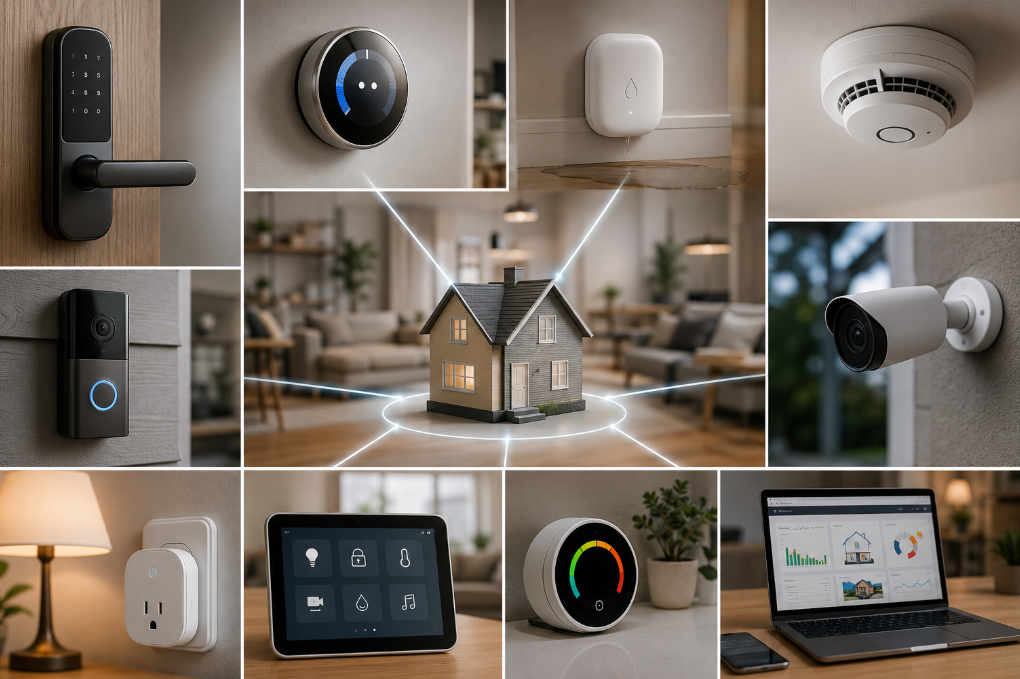
Technology is changing the way rental properties are managed.
For landlords and property owners, the right smart-home technology can make certain aspects of property management more convenient, from controlling access to monitoring potential water leaks and managing temperatures.
But not every smart device is worth installing in a rental property.
The best technology is technology that solves a real property-management problem, provides value to the owner or tenant, and makes sense for the type of rental.
So, what smart home technology for rental properties is actually worth considering?
Here are seven options landlords should know about.
What Is Smart Home Technology for Rental Properties?
Smart home technology refers to connected devices that can be monitored or controlled electronically, often through a smartphone, app, hub, or internet connection.
In a rental property, these devices can potentially help with:
- Property access
- Maintenance
- Safety monitoring
- Energy management
- Water-leak detection
- Tenant convenience
- Property oversight
The goal shouldn’t be to turn every rental into a high-tech home.
Instead, landlords should focus on technology that can provide a practical benefit without creating unnecessary costs, maintenance requirements, or privacy concerns.
1. Smart Locks
Smart locks are one of the most practical technologies landlords can consider.
Instead of relying entirely on traditional keys, some smart locks allow authorized users to enter using a code, smartphone, or other approved method.
How Smart Locks Can Help Landlords
Smart locks may make several property-management tasks easier, including:
- Managing access during tenant turnover
- Providing temporary access to contractors
- Reducing physical-key management
- Changing access codes between occupants
- Coordinating maintenance visits
- Providing tenants with convenient entry options
For property managers handling multiple homes, managing physical keys can become an administrative headache.
A smart access system can potentially simplify that process.
What Should Landlords Consider?
Before installing a smart lock, consider:
- Battery life
- Internet or connectivity requirements
- Compatibility with the property’s existing door
- Backup entry options
- Tenant instructions
- Device reliability
- Local requirements
Technology should make property management easier—not create another maintenance problem.
2. Smart Thermostats
Smart thermostats allow temperature settings to be managed electronically and may provide scheduling or remote-control capabilities.
For rental properties, this can be useful for owners and tenants alike.
Depending on the property and system, smart thermostats may allow users to:
- Set temperature schedules
- Adjust settings remotely
- Monitor temperature
- Receive certain alerts
- Better manage heating and cooling patterns
For landlords, the potential benefit is greater visibility and control over the property’s HVAC settings.
For tenants, the convenience of controlling the temperature from a smartphone can be appealing.
However, landlords should consider the property’s HVAC system and lease terms before determining how much control should be provided to an owner versus a tenant.
3. Water Leak and Moisture Sensors
Water damage can become an expensive problem when a leak goes unnoticed.
A small leak under a sink, near an appliance, or around another water source can potentially cause significant damage if it continues undetected.
Smart leak and moisture sensors are designed to detect water or unusual moisture and can send alerts when a problem is detected.
Where Could Sensors Be Useful?
Depending on the property, landlords may consider placing sensors near areas such as:
- Water heaters
- Washing machines
- Dishwashers
- Sinks
- Toilets
- HVAC equipment
- Other areas with potential water exposure
These devices don’t replace regular property inspections or professional maintenance.
Instead, they can provide another layer of awareness between inspections.
For owners of multiple properties, early notification of a potential water problem can be particularly valuable.
4. Smart Smoke and Carbon Monoxide Devices
Connected smoke and carbon monoxide detection technology can provide additional monitoring capabilities, depending on the device and property’s setup.
Some devices can send alerts when smoke or carbon monoxide is detected.
However, landlords should never treat smart technology as a replacement for legally required smoke detectors, carbon monoxide detectors, or other required safety equipment.
Before installing or replacing safety devices, owners should verify applicable local and state requirements and make sure the property remains compliant.
The primary purpose of these devices is safety—not convenience.
5. Security Cameras and Video Doorbells
Exterior security cameras and video doorbells can provide property owners or tenants with additional visibility around entrances and other appropriate exterior areas.
They may be useful for:
- Monitoring exterior entrances
- Reviewing activity around a property
- Receiving doorbell notifications
- Deterring some unwanted activity
- Providing visibility when appropriate
However, privacy is a major consideration for rental properties.
Landlords should be extremely careful about where cameras are installed and should understand applicable federal, state, and local privacy laws.
Cameras should not be used to monitor areas where tenants have a reasonable expectation of privacy.
Owners should also consider disclosure requirements, lease provisions, and tenant rights before installing surveillance equipment.
When it comes to rental properties, security technology needs to be balanced with privacy.
6. Smart Utility and Energy Monitoring
Smart meters and energy-monitoring devices can provide information about how electricity, water, or other utilities are being used, depending on the property’s systems and the device.
For some rental properties, this information can help owners better understand utility usage and identify unusual patterns.
For example, unexpected changes could potentially prompt an owner or property manager to investigate whether:
- Equipment is malfunctioning
- A water issue may exist
- A property is vacant
- A utility problem needs attention
However, landlords should avoid assuming that monitoring technology automatically reduces utility costs.
The actual benefit depends on the property, device, utility arrangement, and how the information is used.
7. Smart Property Management Technology
Not all useful rental technology is installed inside the property.
For landlords with multiple properties, property management software and digital management systems can be just as valuable as smart-home devices.
Technology can help property owners and managers organize areas such as:
- Maintenance requests
- Tenant communication
- Rent collection
- Property inspections
- Financial reporting
- Leasing
- Owner information
- Property records
For a landlord managing one property, a simple system may be enough.
For owners with a growing portfolio, centralized property-management technology can make it easier to keep track of multiple properties and ongoing responsibilities.
Are Smart Devices Worth It for Rental Properties?
Not every rental property needs every smart device.
The best approach is to evaluate each technology based on the problem it is intended to solve.
| Technology | Potential Benefit | Considerations |
| Smart locks | Easier access management | Batteries, connectivity, backup access |
| Smart thermostats | Temperature management | HVAC compatibility, tenant control |
| Leak sensors | Early water-leak alerts | Placement, batteries, connectivity |
| Smart safety devices | Additional alerts | Legal safety requirements |
| Exterior cameras | Additional visibility | Privacy and legal requirements |
| Smart utility monitoring | Usage information | Cost and usefulness |
| Property management software | Better organization | Setup, training, subscription costs |
A device isn’t automatically a good investment simply because it is considered “smart.”
Ask:
What problem does this technology solve?
If the answer isn’t clear, the device may not be necessary.
What Should Landlords Consider Before Installing Smart Technology?
Before adding connected devices to a rental property, consider more than the purchase price.
Initial Cost
Calculate the cost of purchasing and installing the device.
Ongoing Costs
Some systems require subscriptions, replacement batteries, connectivity fees, or maintenance.
Reliability
A smart device that frequently loses connection or stops working can create more problems than it solves.
Tenant Experience
Consider whether the technology is easy for tenants to understand and use.
Privacy
Devices that collect information, record video, or monitor activity require careful consideration of privacy and applicable laws.
Security
Connected devices should be properly configured and protected. Landlords should also consider what information the device collects and who has access to it.
Maintenance
Technology is another part of the property that may eventually need troubleshooting or replacement.
Smart Technology Doesn’t Replace Property Management
One of the biggest misconceptions about rental technology is that installing smart devices can eliminate the need for hands-on property management.
It can’t.
A smart lock doesn’t respond to a tenant’s maintenance request.
A leak sensor doesn’t repair a leaking pipe.
A smart thermostat doesn’t coordinate an HVAC technician.
And a camera doesn’t replace a property inspection.
Technology can support property management, but it doesn’t eliminate the responsibilities involved in operating a rental property.
How Smart Technology Can Support Professional Property Management
For property owners who work with a professional property management company, smart technology can become another tool within a broader management system.
For example, a smart lock may make contractor access easier.
A leak sensor may provide an early alert.
A smart thermostat may provide useful information about a property’s temperature.
Property-management software can help organize maintenance and tenant communication.
Together, these technologies can support more efficient property operations when they’re selected and managed appropriately.
Should Every Rental Property Have Smart Technology?
No.
A technology strategy should be based on the property and the owner’s goals.
A newer rental property may benefit from several connected devices, while an older property may be better served by addressing basic maintenance and safety needs first.
Before investing in smart-home technology, landlords should consider:
- Property type
- Tenant expectations
- Property age
- Maintenance needs
- Budget
- Location
- Security
- Privacy
- Long-term management goals
The goal isn’t to have the most technology.
The goal is to use the right technology where it provides meaningful value.
Smart Technology and Rental Property Management in Missouri
For landlords in Missouri, technology can be one component of a broader rental-property management strategy.
But successful property management still depends on the fundamentals: keeping properties maintained, communicating with tenants, handling repairs, managing leases, collecting rent, conducting inspections, and staying organized.
At Homestretch Property Management, we help rental property owners manage the day-to-day responsibilities that come with owning investment properties.
Our services include leasing, tenant screening, maintenance, rent collection, property inspections ,compliance, accounting, and other property management services.
Whether you’re managing one rental or building a larger portfolio, the right combination of technology and professional management can help make property ownership more manageable.
Final Thoughts
Smart home technology can provide useful tools for rental property owners, but it should be selected strategically.
Smart locks can simplify access.
Smart thermostats can make temperature management more convenient.
Leak sensors can provide early warnings about potential water problems.
Connected safety devices can provide additional alerts.
Exterior security technology may provide additional visibility when used appropriately.
And property-management software can help organize the many responsibilities involved in operating a rental portfolio.
The key is to focus on technology that solves real problems rather than adding devices simply because they’re new.
For landlords, smart technology works best when it complements—not replaces—good property management.