
What Happens During a Rental Property Move-Out Inspection? A Landlord’s Guide
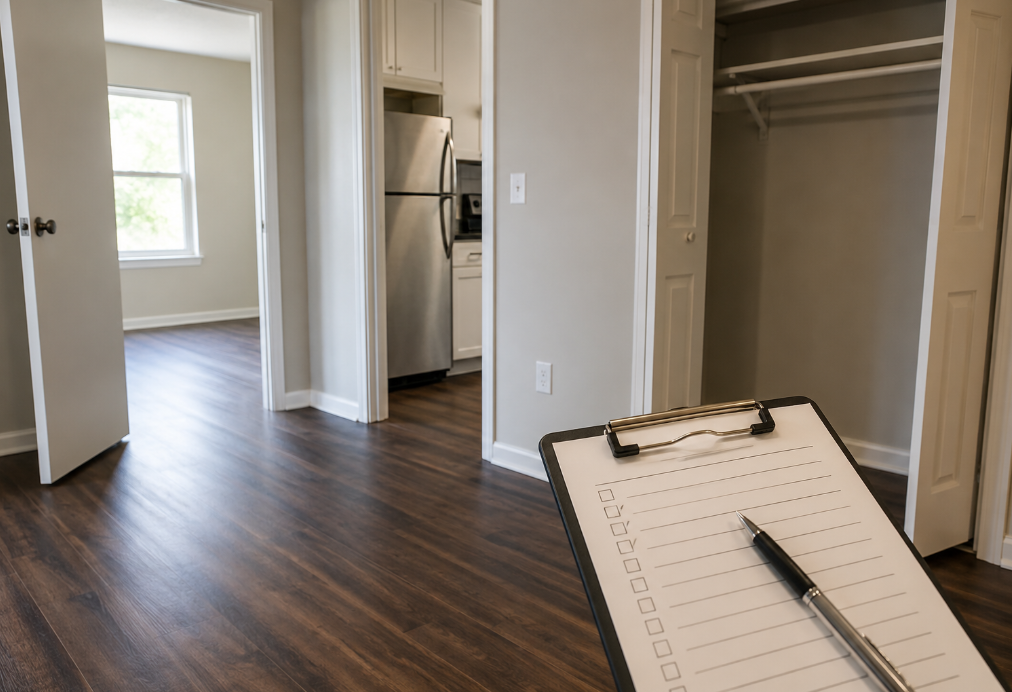
A tenant moving out marks an important transition for any rental property owner. Before the next tenant moves in, the property needs to be inspected carefully to determine its condition, identify necessary repairs, document any damage, and prepare the home for its next occupant.
A rental property move-out inspection gives landlords an opportunity to compare the property’s condition at the end of a tenancy with its condition when the tenant moved in. A thorough inspection can help property owners make informed decisions about repairs, maintenance, security deposits, and preparing the property for the next lease.
For landlords who manage properties themselves, knowing what to inspect and document can make the turnover process more organized and efficient.
What Is a Rental Property Move-Out Inspection?
A move-out inspection is a detailed review of a rental property after a tenant has vacated the home. The inspection typically covers the condition of the property’s interior, exterior, appliances, fixtures, flooring, walls, doors, windows, plumbing, and other important components.
The goal is not simply to find problems. A move-out inspection helps determine whether the property has experienced normal wear and tear or whether repairs may be needed because of damage beyond ordinary use.
For property owners, the inspection also provides an opportunity to identify maintenance issues before they become larger and more expensive problems.
When Should a Move-Out Inspection Take Place?
A move-out inspection generally takes place after the tenant has removed their belongings and returned possession of the property. The exact timing and procedures can vary depending on the lease agreement and applicable Missouri requirements.
Landlords should establish a consistent inspection process and follow the terms of the lease. When possible, having a documented move-in condition report available makes the move-out inspection much easier because the property’s current condition can be compared with its original condition.
What Does a Landlord Check During a Move-Out Inspection?
A thorough inspection should cover the entire rental property rather than focusing only on obvious problems.
1. Walls, Ceilings, and Paint
Inspect walls and ceilings for:
- Large holes or excessive damage
- Unusual stains
- Significant marks or deterioration
- Unauthorized alterations
- Damage beyond ordinary use
Minor scuffs and normal signs of occupancy may be considered ordinary wear and tear, while substantial damage may require further attention.
2. Flooring and Carpeting
Check carpets, hardwood, vinyl, tile, and other flooring for:
- Stains
- Burns
- Cracks
- Excessive scratching
- Missing or damaged flooring
- Damage caused by pets or furniture
Landlords should consider the age and existing condition of flooring when evaluating whether an issue represents normal wear or damage.
3. Doors, Windows, and Locks
Inspect doors and windows to make sure they open, close, and lock properly. Look for broken glass, damaged screens, damaged locks, missing hardware, or other problems.
Security-related issues should be addressed promptly before a new tenant takes possession.
4. Kitchen and Appliances
The kitchen should be inspected for cleanliness, damage, and functionality.
Check:
- Refrigerator
- Oven and range
- Dishwasher
- Microwave, if provided
- Cabinets and drawers
- Countertops
- Sinks and faucets
- Garbage disposal
- Flooring and walls
Document any appliance damage or missing items and determine whether maintenance or replacement is necessary.
5. Bathrooms and Plumbing Fixtures
Inspect bathrooms for leaks, damage, and functionality.
Look at:
- Toilets
- Sinks
- Faucets
- Showers and tubs
- Cabinets
- Mirrors
- Exhaust fans
- Flooring
- Caulking and grout
Water leaks and plumbing problems should be addressed quickly because delaying repairs can lead to more extensive property damage.
6. HVAC and Utilities
Landlords should verify that heating and cooling systems are functioning properly and check for obvious maintenance concerns.
Depending on the property, this may include inspecting:
- HVAC equipment
- Thermostats
- Air filters
- Smoke detectors
- Carbon monoxide detectors
- Light fixtures
- Electrical outlets
- Other provided equipment
Not every system requires a full technical inspection during a move-out walkthrough, but obvious problems should be documented and referred for professional maintenance when necessary.
7. Exterior Areas
The inspection should not stop at the front door.
Check exterior areas such as:
- Yard and landscaping
- Driveway
- Patio or deck
- Garage
- Exterior doors
- Fencing
- Gutters
- Exterior lighting
- Other areas included with the rental
The condition of these areas can affect both the property’s appearance and its readiness for the next tenant.
Normal Wear and Tear vs. Tenant-Caused Damage
One of the most important parts of a move-out inspection is determining whether an issue represents normal wear and tear or damage beyond ordinary use.
Normal wear and tear can occur naturally as a property is occupied over time. Examples may include minor wall scuffs, gradual carpet wear, or normal deterioration of fixtures.
Tenant-caused damage may involve significant holes in walls, broken fixtures, damaged doors, excessive stains, or other problems that go beyond ordinary use.
Landlords should avoid automatically treating every repair as tenant damage. The property’s age, condition at move-in, expected useful life of materials, and circumstances surrounding the damage should all be considered.
Why Documentation Matters During a Move-Out Inspection
Good documentation is one of the most valuable parts of the inspection process.
Landlords should consider documenting:
- The date of the inspection
- The property’s overall condition
- Individual areas requiring attention
- Photographs or videos of significant issues
- Missing items
- Damage requiring repair
- Cleaning that may be necessary
- Maintenance recommendations
Photos should be clear and show enough context to establish where the issue occurred.
A detailed move-in condition report can also be extremely useful because it provides a baseline for comparison.
What Happens After the Inspection?
The move-out inspection is only the beginning of the turnover process.
After the inspection, the property owner or property manager may need to:
- Identify necessary repairs.
- Schedule maintenance or contractors.
- Address cleaning needs.
- Complete any required safety or compliance work.
- Determine whether improvements are appropriate.
- Prepare the property for marketing.
- Photograph the rental for the next listing.
- Complete the turnover before the next tenant moves in.
Handling these steps efficiently can help reduce the amount of time a rental property remains vacant.
How Move-Out Inspections Can Reduce Rental Property Problems
A consistent inspection process gives landlords better visibility into the condition of their investment.
Regular documentation can help property owners identify recurring maintenance issues, track the condition of major components, and address problems before they become more expensive.
Move-out inspections can also create a smoother transition between tenants because repairs, cleaning, and other turnover tasks can be identified early.
For owners with multiple rental properties, having a standardized inspection and turnover process can make property management significantly easier.
When Should a Landlord Consider Professional Property Management?
Managing one rental property may seem straightforward, but inspections are only one part of the turnover process. Landlords also have to coordinate repairs, communicate with tenants, manage vendors, advertise vacancies, screen applicants, handle paperwork, and prepare the property for the next lease.
Professional property management can take these responsibilities off the owner’s plate.
A property management company can coordinate the move-out process, document property conditions, arrange necessary maintenance, and help prepare the rental for its next tenant.
For owners with multiple properties—or landlords who live away from their rental properties—professional support can make the entire turnover process more efficient.
Final Thoughts
A rental property move-out inspection is an important step between one tenancy and the next. A thorough inspection helps landlords understand the property’s current condition, identify necessary maintenance, document potential damage, and prepare the home for its next occupant.
The key is to use a consistent process, maintain good documentation, and distinguish normal wear and tear from damage that may require further action. When inspections are combined with an organized turnover and maintenance process, property owners can protect their investments while creating a better experience for incoming tenants.
If managing inspections, repairs, tenant transitions, and vacancies is becoming difficult to handle alone, professional property management can provide the support needed to keep the rental process organized from move-out to move-in.